
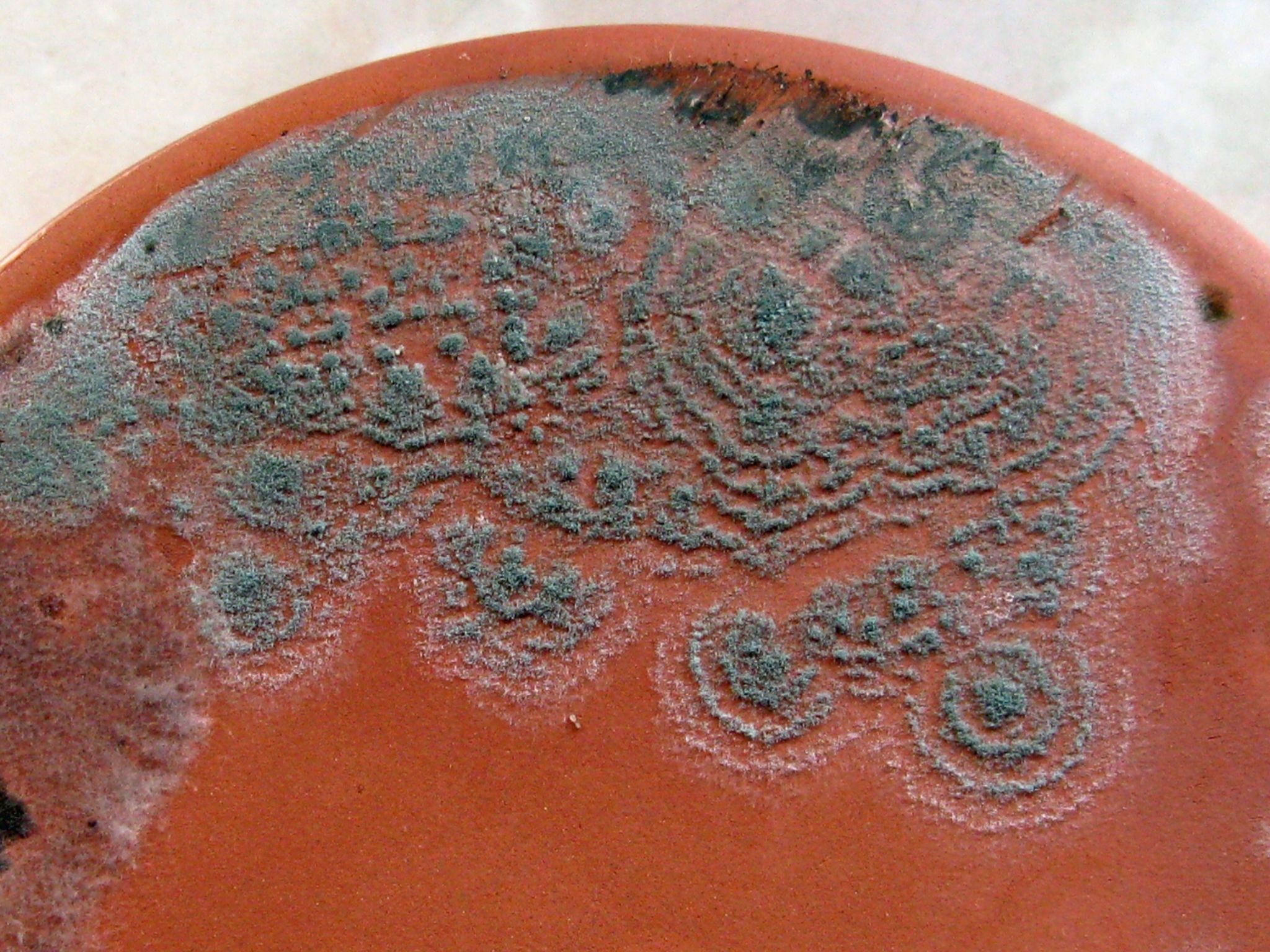
While the moving process can leave your possessions thoroughly worn out, the subtle yet destructive threat of mold and mildew is often overlooked. Whether you’re moving within Nairobi or across international borders, awareness of the dangers of mold and mildew and preventive measures will save you from avoidable repair expenditure and stress.
In this article, we highlight the difference between mold and mildew, how it can damage your shipment, and steps you can take to minimize the risk.
What are Molds and Mildews?
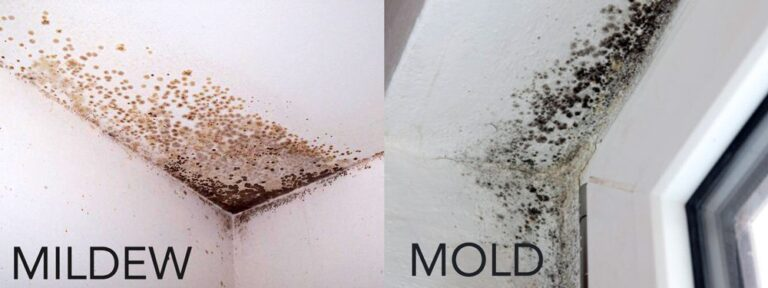
Mold is a black or green fungus that grows in warm and moist places. It feeds on organic material, growing mostly on food, walls, artwork, and wood. Mildew is mostly white or gray. It grows on the surface of moist areas – paper and fabrics, mainly.
Mold and mildew are both microscopic, mostly occur together, and reproduce by means of highly invasive airborne spores. Under viable temperature and humidity conditions, these spores can multiply quickly, forming colonies that create the visible mold and mildew growth. This creates unattractive stains, unpleasant odors, and can sometimes weaken the material stability of garments and wooden items.
A DIY hack for differentiating between mold and mildew is dripping a few drops of household bleach on the affected area and waiting five minutes:
- If the spot remains dark, it’s moldy.
- If it lightens up, it’s mildew.
Steps to Preventing Mold and Mildew
Your possessions are more likely to be susceptible to mold and mildew during long-distance moves or from one climate to another. Usually, when your household goods are wrapped tightly and packed in boxes to protect them from damage, there’s a chance of mold and mildew growth. When items are enclosed in a warm, moist environment, spores might start to bloom.
Here are some professional tips that can save your belongings:
1. Reduce Humidity Before Packing
In the weeks leading up to your move, use dehumidifiers and air conditioners to reduce moisture levels in the air so your items are dried out and less prone to mold and mildew. Be particularly mindful of where you place items you intend to move: avoid damp floors, basements, and attics.
2. Ensure Proper Ventilation
Proper ventilation is the key to controlling indoor humidity levels and ensuring adequate airflow, which is critical to preventing mold and mildew growth. For short-distance moves and temporary storage, either use breathable boxes and containers or avoid sealing cardboard boxes with clothes or goods that retain any moisture.
3. Use Moisture-Absorbent Bags
Moisture-absorbent bags are a simple and cost-effective way of reducing moisture in enclosed spaces. Made of silica, you can hang the bags inside a wardrobe box or place them with packed leather, paperwork, or clothes.
With these desiccant bags, you have an additional layer of defense for long-distance and international relocations. The chances of mold and mildew developing on your items will be much lower as a result of the desiccant’s superior moisture control capabilities.
4. Use Silica Gel Packs
Silica gel packs hold silica, a drying agent that adsorbs moisture from the air in confined spaces. When storing or packing items, especially those made from fabric, paper, or leather, remember to insert the gel packs or pouches in the boxes or containers. Our silica gel packs are especially beneficial for footwear, handbags, and paperwork.
5. Choose the Right Packing Materials
Avoid using plastic bags and non-breathable materials for all your items, as they can trap moisture and create a favorable environment for mold and mildew growth. Use cotton sheets and moving blankets. Visit Nellions Shop today for quality packing materials, from acid-free wrapping paper to moving boxes.
Sometimes, even with best practices in place, mold and mildew can develop out of nowhere, especially if you’re moving across different climates. Think of moving from Nairobi to Mombasa. If you find out that mold and mildew have formed on your items after the trip, you will need to act fast to save them.
For clothes and textiles, wash with warm water and detergent to remove mildew stains. Leather products usually require specialized solutions, mostly by professionals. Books and paperwork are more complex; wipe delicately with a dry cloth or carefully vacuum with a specialized attachment.
It’s advisable to check your professional home mover’s insurance policy if you think you have something you could lose to mold and mildew during transit or storage. You might want to consider buying extra insurance if you’re shipping or moving valuables to cover mold and mildew damage. The extra insurance can give you extra peace of mind that your property will arrive at your new destination home in pristine condition.
Mold and mildew are an inherent risk that is typical in many relocations. However, with these tips and proper moving insurance coverage, chances are that you will get your items at your new home in one piece.
Please don’t hesitate to contact Nellions Shop or visit to order quality packing supplies and solutions for mold and mildew elimination and moisture control.